Metal Forging Services for Stronger Parts and Better Structural Performance
Forging is one of the most reliable ways to produce metal parts that need higher strength, better grain flow, and stronger mechanical integrity than ordinary cast or machined alternatives. It is especially valuable where performance, durability, and structural confidence matter.
Forging is not just shaping metal — it is engineering the internal strength of the part
Compared with many conventional routes, forging improves structural continuity inside the material, supports better mechanical performance, and helps deliver parts that can handle tougher service conditions. That is why forging is widely used in high-demand industries where failure is expensive.
Why forged parts are often chosen for demanding applications
The real value of forging is not only dimensional formation. It is how the process improves the material structure, supports stronger load-bearing behavior, and reduces the weaknesses that can show up in less robust manufacturing routes.
- Higher strength potential due to more continuous grain flow and improved internal structure
- Better structural reliability for safety-critical or heavily loaded parts
- Good near-net-shape efficiency to reduce downstream machining in the right projects
- Stronger material utilization and more economical processing for repeat industrial demand
Strength
Forged parts are often preferred when mechanical load, fatigue resistance, and service reliability matter more than simple geometry alone.
Precision Potential
With appropriate tooling and downstream machining, forging can support parts that combine structural performance with tighter dimensional control.
Efficiency
For repeat industrial demand, forging can offer a practical balance between output speed, material usage, and part consistency.
Application Value
Forging becomes most valuable when the part failure risk, performance requirement, or lifecycle expectation is already high.

Forging material choice should follow the performance target
Material selection affects forging temperature, flow behavior, post-processing difficulty, mechanical property target, and the final industry fit of the part.
Common Forging Material Directions
Final selection depends on load requirements, environment, dimensional complexity, heat treatment needs, and the application sector.
| Material Type | Typical Forging Range | Common Applications |
|---|---|---|
| Carbon Steel | Suitable for broad industrial forging use | Shafts, gears, structural industrial parts |
| Alloy Steel | Used where stronger performance is required | Automotive, aerospace-related, heavy-duty components |
| Stainless Steel | Selected when corrosion resistance also matters | Chemical equipment, medical-related, industrial applications |
| Aluminum Alloys | Chosen for lightweight structural applications | Aerospace, transportation, lightweight assemblies |
| Titanium Alloys | Used for high-value demanding environments | Aerospace, medical, military-related performance parts |
Why customers choose a forging partner, not only a forging supplier
In forging, the risk is not only whether the part can be made. The bigger question is whether the part will meet strength, structure, consistency, and inspection requirements without creating new problems downstream.
Quality Assurance
High-performance forged parts need more than surface inspection. They need validation of material behavior and internal quality.
- Material and structure-related inspection methods where required
- Mechanical property verification for demanding part programs
- Dimensional inspection support for critical features
One-Stop Manufacturing Logic
Forging works better when mold design, forming logic, machining, and inspection are considered together from the start.
- Better coordination between forging and downstream processing
- Reduced disconnect between design intent and production reality
- More practical support for high-end application projects
For many industrial buyers, the real benefit is simple: stronger parts, more confidence in service life, and fewer surprises when the component enters actual use.
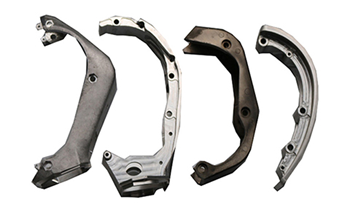
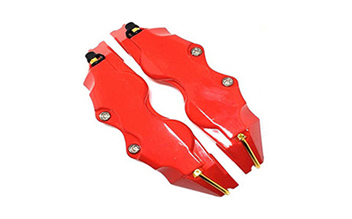
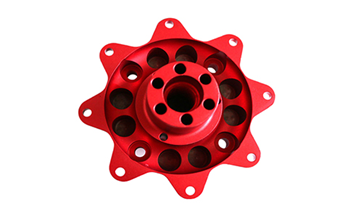
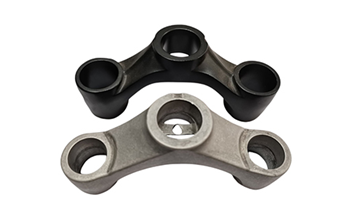
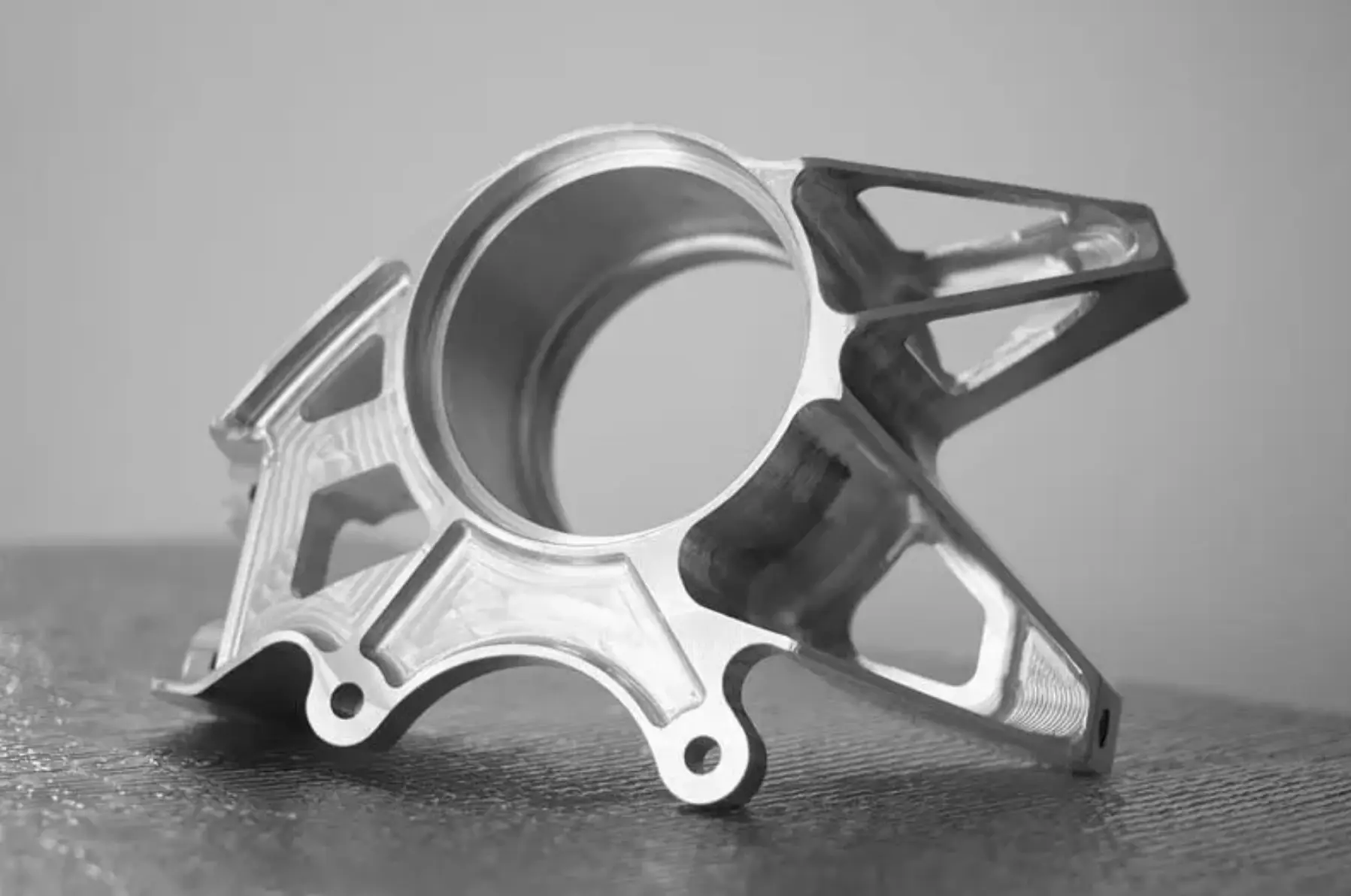
Metal Forging Product Display